
Notifications

No notifications

5 Essential Rules for Living in a Japanese Apartment

5 Essential Rules for Living in a Japanese Apartment
Guide


Moving into a Japanese apartment can be exciting, especially for foreigners experiencing life in Japan for the first time. Tokyo offers modern apartments, safe neighborhoods, efficient transportation, and a comfortable urban lifestyle.

However, apartment living in Japan also comes with unique cultural expectations and community rules that may feel unfamiliar to newcomers.

Many of these rules are written into your rental agreement, while others are based on social etiquette and respect for neighbors. Understanding them early can help you avoid misunderstandings, maintain good relationships, and enjoy a smoother living experience in Japan.

Whether you are an international student, expat, digital nomad, or long-term resident, here are five essential rules every tenant should know before living in a Japanese apartment.


1. Respect Common Areas

One of the first things foreigners notice in Japan is how clean and organized apartment buildings are.

Shared spaces such as:

  • Hallways
  • Entrances
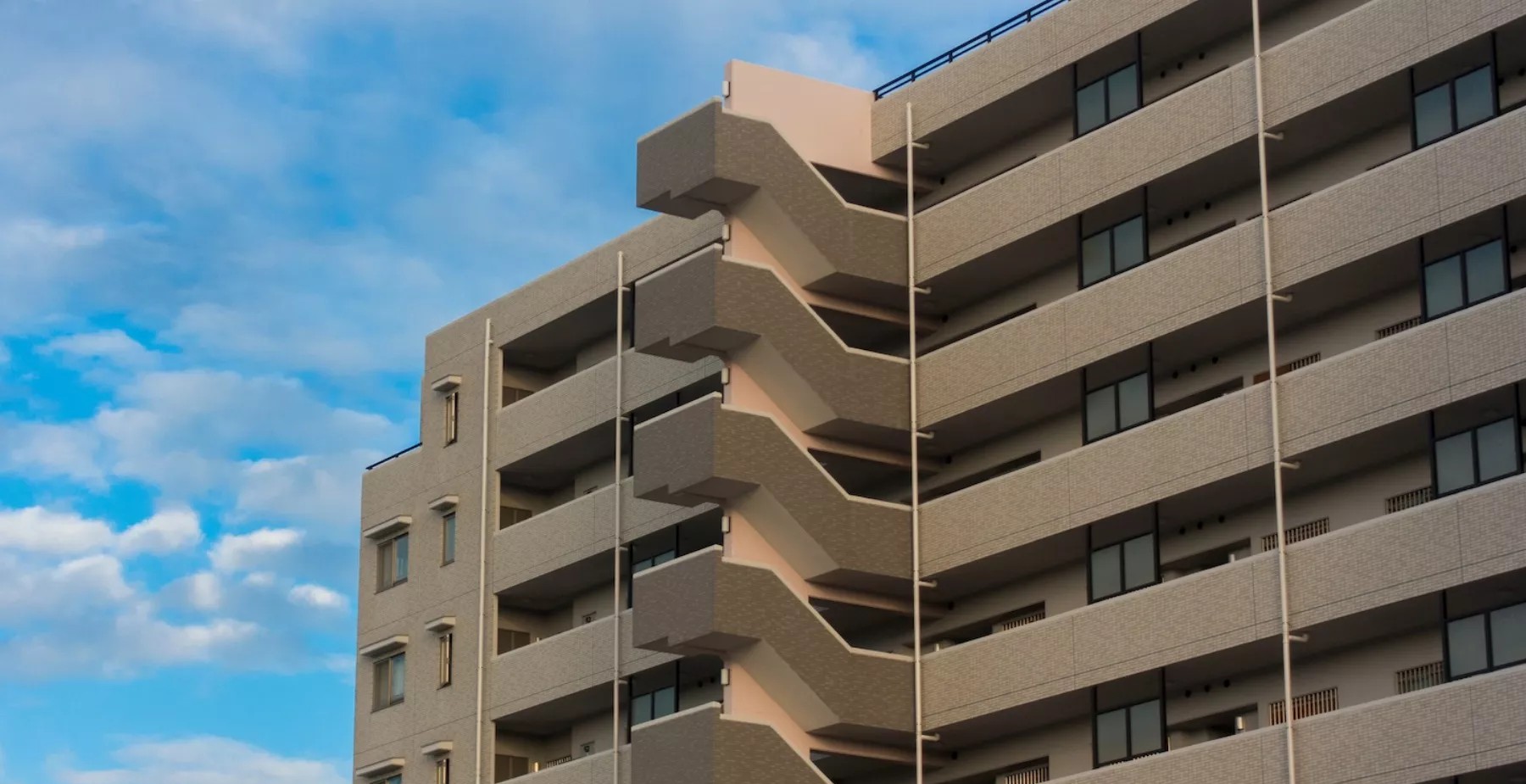
  • Staircases
  • Elevators
  • Bicycle parking areas
  • Spaces outside apartment doors

are considered common areas and should always remain clean and uncluttered.

Unlike some countries, leaving personal belongings outside your apartment is usually not allowed.

Items commonly prohibited in shared spaces include:

  • Bicycles
  • Baby strollers
  • Shoes
  • Furniture
  • Storage boxes
  • Garbage bags

Japanese apartment buildings prioritize safety, cleanliness, and emergency accessibility.


Balcony Rules in Japan

Many foreigners are surprised to learn that balconies are also technically considered shared emergency spaces.

Because of this:

  • Barbecues are generally prohibited
  • Fireworks are not allowed
  • Open flames are forbidden
  • Excessive storage may be restricted

Balconies must remain accessible for emergency evacuation purposes.


2. Follow Noise Etiquette

Japan highly values quiet and peaceful living environments.

Noise complaints are taken seriously, especially in apartment buildings where residents live very close to one another.

Generally, tenants are expected to minimize noise between:

10:00 PM to 8:00 AM

This includes:

  • Loud conversations
  • Music
  • Television volume
  • Vacuum cleaning
  • Laundry machines
  • Phone calls
  • Parties

Even footsteps or moving furniture late at night may disturb neighbors in some buildings.


Musical Instruments in Apartments

An important rule many foreigners overlook is that some Japanese apartments prohibit musical instruments.

If you play piano, guitar, violin, or other instruments, make sure to confirm this before signing a lease.

Certain buildings specifically cater to musicians and offer soundproof rooms.


What to Do About Noisy Neighbors

If neighbors repeatedly create excessive noise, tenants usually report the issue to building management rather than confronting neighbors directly.

Management companies often:

  • Send warning notices
  • Contact residents privately
  • Issue building-wide reminders

In serious situations, police may also respond to repeated complaints.


3. Understand Tenant and Occupancy Rules

Japanese rental agreements are generally strict regarding who is allowed to live in the apartment.


Unauthorized Subleasing Is Prohibited

Subleasing your apartment without landlord approval is usually forbidden.

Violating this rule may lead to:

  • Lease termination
  • Financial penalties
  • Eviction

Always confirm permission before allowing someone else to stay long-term.


Inform Landlords About Occupancy Changes

If another person plans to move into your apartment, landlords and management companies must usually approve the change in advance.

Examples include:

  • A partner moving in
  • Family members joining
  • Additional roommates

Failure to report occupancy changes may violate your lease agreement.


4. Do Not Modify the Apartment Without Permission

Many tenants want to personalize their apartments after moving in.

However, in Japan, modifications generally require landlord approval.

This includes:

  • Painting walls
  • Installing shelves
  • Replacing flooring
  • Mounting large fixtures
  • Changing locks

Even small renovations may violate the lease if done without permission.

Always ask the landlord or management company before making changes.


5. Report Problems Immediately

If something breaks in your apartment, you should contact the landlord or property manager immediately instead of attempting repairs yourself.

Common issues include:

  • Water leaks
  • Broken air conditioners
  • Plumbing problems
  • Electrical issues
  • Lock malfunctions

In many cases, landlords or management companies handle repairs directly.


Lost Key Procedures

Losing apartment keys in Japan can be expensive and stressful.

Many buildings use advanced security systems, and replacement costs may be high.

Important rules include:

  • Report lost keys immediately
  • Do not replace locks yourself
  • Follow management instructions carefully

Your move-in documents usually explain emergency procedures and replacement fees.


Tenant Responsibility and Damage Rules

Japanese leases often include a “duty of care” clause.

This means tenants must maintain the apartment responsibly.

Examples of tenant-caused damage include:

  • Mold caused by poor ventilation
  • Water damage from negligence
  • Stains left untreated
  • Damage caused by pets
  • Failure to report leaks

Repair costs resulting from negligence are generally paid by the tenant, not the landlord.


Garbage Disposal Rules in Japan

Garbage disposal is another important part of Japanese apartment living.

Most cities require strict garbage separation, including:

  • Burnable trash
  • Non-burnable trash
  • Plastic bottles
  • Cans
  • Glass
  • Cardboard

Trash must also be disposed of on designated collection days.

Improper garbage disposal is one of the most common complaints in Japanese apartment communities.


Delivery Boxes and Apartment Security

Modern Japanese apartments often include delivery lockers called “宅配ボックス (Takuhai Box).”

These secure lockers allow residents to receive packages while away from home.

Residents are expected to:

  • Pick up packages quickly
  • Avoid leaving parcels too long
  • Use lockers responsibly

Apartment security and shared convenience systems are highly valued in Japan.


Why Understanding Apartment Etiquette Matters

Japanese apartment living emphasizes mutual respect, quietness, cleanliness, and community harmony.

Understanding these expectations helps foreigners:

  • Avoid conflicts
  • Build better neighbor relationships
  • Enjoy a smoother rental experience
  • Adapt more easily to Japanese culture

Even small acts of consideration are deeply appreciated in Japanese residential communities.


Final Thoughts

Living in a Japanese apartment can be a wonderful experience when you understand the local rules and etiquette.

By respecting noise policies, following garbage rules, maintaining shared spaces, and communicating properly with landlords, tenants can enjoy a comfortable and stress-free lifestyle in Japan.

For foreigners moving to Tokyo or other Japanese cities, learning these apartment rules in advance makes daily life much easier and more enjoyable.

Related articles

在日本公寓生活必须知道的5条规则 | SORA