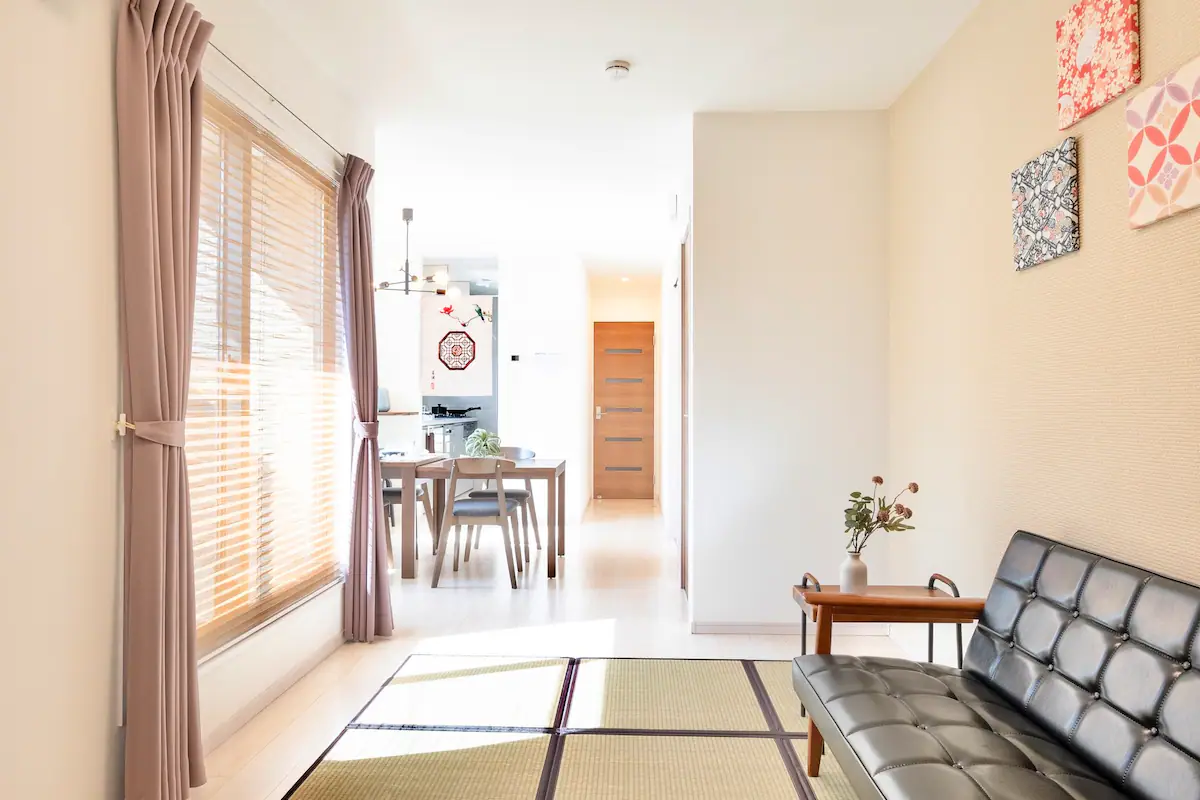
How to Buy a Property and Turn It Into an Airbnb in Japan

Interest in Airbnb investment properties in Japan has grown rapidly over the last few years.
With record tourism growth, increasing international visitors, and strong demand for short-term accommodations, many overseas investors are now exploring opportunities to purchase properties in Tokyo and other Japanese cities for Airbnb operations.
However, buying a property and legally operating it as an Airbnb in Japan is not as simple as purchasing an apartment and listing it online.
Japan has detailed regulations regarding:
- Zoning laws
- Building management rules
- Licensing requirements
- Fire safety standards
- Local government ordinances
For foreign buyers unfamiliar with Japanese real estate systems, understanding these rules is extremely important before making an investment.
This guide explains the essential steps and considerations for purchasing a property and converting it into a successful Airbnb business in Japan.
Can Foreigners Buy Property in Japan?
Yes.
Foreigners can legally purchase property in Japan even if they:
- Do not live in Japan
- Do not have a Japanese visa
- Do not hold permanent residency
- Are overseas investors
Japan places very few restrictions on foreign ownership of real estate.
However, owning property in Japan does not automatically grant residency or visa status.
Financing Challenges for Foreign Buyers
Although foreigners can buy Japanese property, obtaining financing can sometimes be difficult.
Japanese banks usually prefer applicants who have:
- Permanent residency
- Japanese income
- Stable work history in Japan
- Local tax records
For overseas investors, securing a mortgage may require working with specialized lenders or international-friendly financial institutions.
Because financing rules differ significantly between residential homes and investment properties, working with an experienced local agent is highly recommended.
Why Setting Clear Investment Goals Matters
Before searching for an Airbnb property, investors should clearly define:
- Budget
- Expected rental income
- Target guests
- Preferred location
- Property size
- Management strategy
Without a clear business plan, buyers may waste time evaluating properties that are unsuitable for short-term rentals.
Successful Airbnb investments in Japan usually begin with careful planning and market research.
Understanding Zoning Regulations in Japan
One of the most important factors when purchasing an Airbnb property in Japan is zoning.
Japanese land is divided into different zoning categories called:
用途地域 (Yoto Chiiki)
These categories determine how land and buildings can legally be used.
Some zones restrict:
- Commercial activity
- Lodging businesses
- Short-term rentals
- Building types
Additionally, some land may be designated exclusively for agricultural use, making business operations impossible.
Before purchasing any property, investors should confirm whether Airbnb operations are legally permitted in that location.
Local Ordinances Can Affect Airbnb Operations
In addition to national regulations, each city or ward may have its own rules regarding Airbnb operations.
For example:
- Some cities limit the number of rental days
- Certain neighborhoods require minimum stay periods
- Residential zones may restrict operating periods
- Areas near schools may face stricter licensing rules
Kyoto, for example, has particularly strict Airbnb regulations in some residential districts.
Because local laws frequently change, buyers should always verify current regulations with local authorities or experienced real estate professionals.
Building Management Approval Is Extremely Important
For condominium purchases, another major factor is building management approval.
Many Japanese condominium associations prohibit:
- Airbnb operations
- Short-term rentals
- Vacation rentals
These restrictions are often introduced to protect the comfort and privacy of long-term residents.
Operating an Airbnb without approval could result in:
- Financial penalties
- Legal disputes
- Forced closure of operations
Therefore, buyers considering condominiums should confirm Airbnb policies before purchasing.
Some Properties Cannot Be Rebuilt
When evaluating older properties in Japan, buyers may encounter:
“Properties That Cannot Be Rebuilt” (再建築不可物件)
These are buildings that can continue being used in their current state but cannot legally be rebuilt if demolished.
This usually happens because the property does not meet modern building road-access requirements.
Although these properties may appear inexpensive, they can carry significant long-term risks for investors.
Why Neighborhood Research Matters
A successful Airbnb business depends not only on the property itself, but also on the surrounding area.
Investors should evaluate:
- Distance to train stations
- Nearby restaurants and convenience stores
- Road accessibility
- Future construction projects
- Parking availability
- Tourist demand
- Neighborhood atmosphere
Convenience and accessibility strongly influence guest satisfaction and occupancy rates.
Understanding Operating Costs
Many first-time investors focus only on purchase price while overlooking ongoing operating expenses.
Common Airbnb operating costs in Japan include:
- Property taxes
- Building management fees
- Repair reserve funds
- Utility costs
- Cleaning services
- Insurance
- Property management fees
- Licensing costs
Carefully calculating these expenses is essential for building a profitable Airbnb business plan.
Why Property Management Companies Are Important
For overseas owners, hiring a reliable property management company is often essential.
A good management company can assist with:
- Guest communication
- Check-in coordination
- Cleaning services
- Maintenance
- Tax payments
- Emergency support
- Fire inspections
- Reservation management
Professional management is especially important for non-resident investors who cannot regularly visit Japan.
Working With Experienced Local Agents
One of the smartest decisions foreign investors can make is working with experienced bilingual real estate professionals.
A strong local agent can help with:
- Property sourcing
- Zoning research
- Airbnb regulations
- Bank introductions
- Legal procedures
- License applications
- Contractor referrals
Some agencies also provide access to private listings unavailable on public websites.
Market Research Before Purchasing
Before finalizing any purchase, investors should analyze:
- Occupancy rates
- Average nightly pricing
- Seasonal demand
- Tourism trends
- Competitor properties
Platforms such as Airbnb and AirDNA can help estimate potential profitability.
Strong market research reduces investment risk and improves pricing strategy.
Understanding Airbnb Licenses in Japan
Japan offers several legal frameworks for operating short-term rentals.
1. Hotel Business Act License (旅館業法)
Required for hotel-style accommodation businesses.
2. Minpaku License (民泊)
The most common license for Airbnb operations.
This license includes rules regarding:
- Maximum operating days
- Safety standards
- Guest reporting requirements
3. Special Zone License
Available in designated areas with more flexible rules, such as parts of Tokyo.
Each license type has different operational requirements and restrictions.
Fire Safety and Hygiene Requirements
To legally operate an Airbnb in Japan, properties must satisfy safety requirements.
Typical requirements include:
- Fire extinguishers
- Smoke detectors
- Emergency evacuation maps
- Safety signage
Applications are usually reviewed by local health centers and may require on-site inspections.
Incomplete documentation can delay approval.
Final Thoughts
Buying a property and converting it into an Airbnb business in Japan can be highly rewarding, but it requires careful preparation and professional guidance.
Foreign investors must understand zoning laws, building regulations, licensing systems, operating costs, and local ordinances before purchasing a property.
With strong market research, proper management, and the support of experienced local professionals, Airbnb investment properties in Tokyo and other Japanese cities can become valuable long-term income opportunities.
As Japan’s tourism industry continues growing, demand for professionally managed short-term accommodations is expected to remain strong for years to come.