

Important Questions to Ask Before Buying a House in Japan
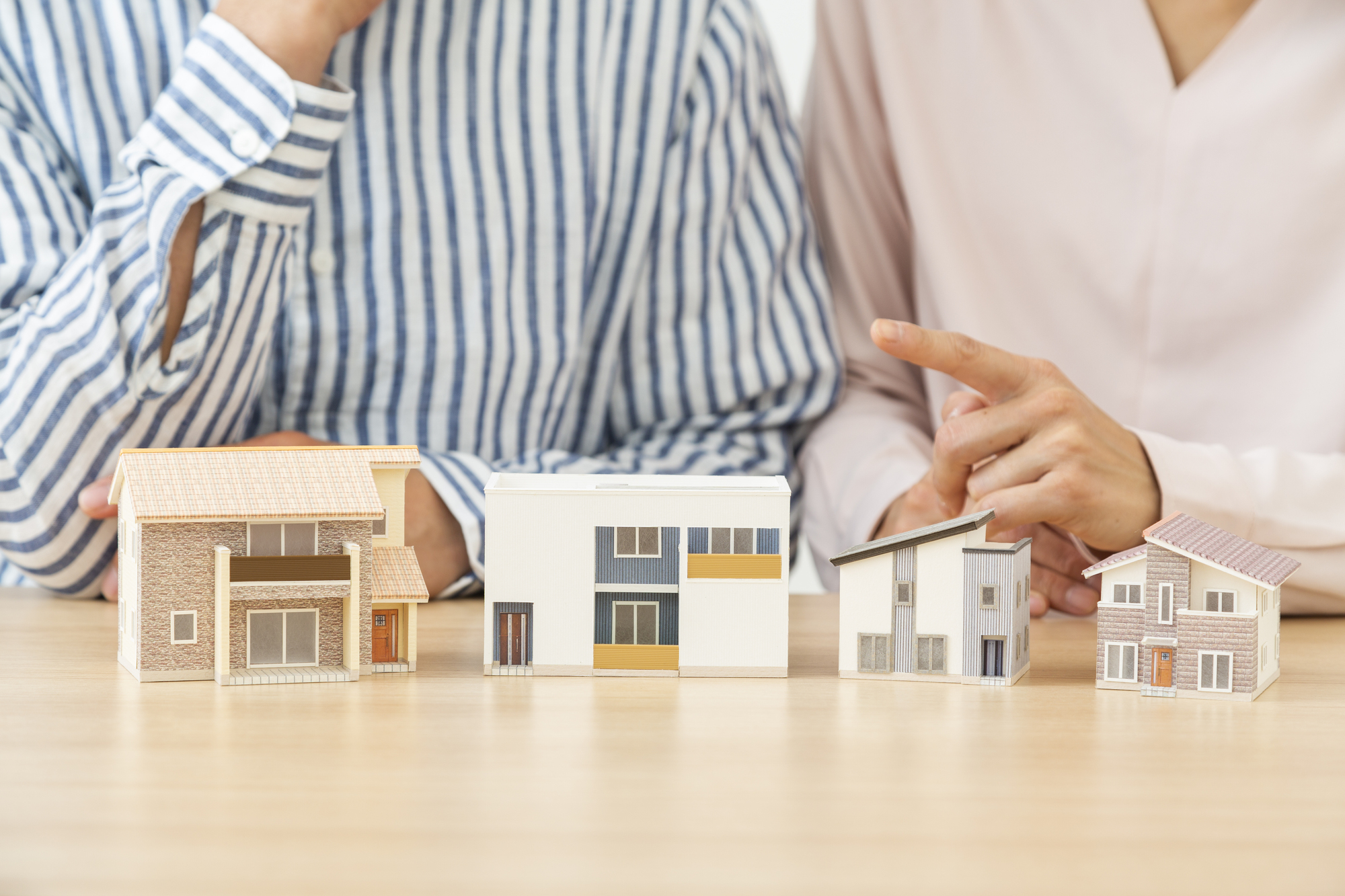
Buying a property in Japan can be an exciting milestone, whether you are searching for:
- A primary residence
- A long-term investment
- A vacation home
- A retirement property
- A second residence in Tokyo
However, many buyers — especially foreigners — focus too heavily on appearance or price while overlooking critical long-term factors.
A beautiful apartment may not always be the best investment.
Likewise, a cheaper property may come with hidden disadvantages related to:
- Location
- Transportation
- Noise
- Earthquake risk
- Resale value
- Future maintenance
Before buying a house or condominium in Japan, asking the right questions can save significant time, money, and stress.
This guide explains the most important things every buyer should consider before purchasing Japanese real estate.
1. What Is the Purpose of Buying the Property?
The very first question every buyer should ask is:
“Why am I buying this property?”
Your answer will influence every other decision.
For example:
Primary Residence
If you plan to live there long term, daily comfort and convenience become most important.
Investment Property
If the property is for investment, factors such as:
- Rental demand
- Yield
- Vacancy risk
- Future appreciation
become more important than personal lifestyle preferences.
Vacation Home
For vacation properties, buyers may prioritize:
- Scenic views
- Quiet surroundings
- Resort accessibility
instead of commuting convenience.
Long-Term Wealth Preservation
Some investors purchase Tokyo real estate primarily to preserve wealth and diversify international assets.
Clearly defining your purpose helps narrow down:
- Location
- Property size
- Budget
- Building type
- Financing strategy
2. How Much Can You Realistically Afford?
Many buyers focus only on purchase price.
However, actual ownership costs in Japan also include:
- Property tax
- Maintenance fees
- Repair reserve funds
- Insurance
- Mortgage interest
- Renovation expenses
- Agent fees
- Registration taxes
For condominium buyers, monthly management fees can significantly affect long-term affordability.
Buyers should calculate not only what they can buy — but what they can comfortably maintain over time.
3. What Happens When You Want to Sell?
Many buyers forget to think about resale value before purchasing.
But future resale potential is one of the most important aspects of Japanese real estate investment.
Questions to consider include:
- Will demand remain strong in this area?
- Is the population growing or declining?
- Is the property near a major station?
- Is the building aging well?
- Are there redevelopment plans nearby?
In Tokyo especially, location strongly influences long-term value retention.
Why Location Matters So Much in Japan
Location is one of the biggest factors affecting Japanese property value.
However, “good location” depends heavily on personal lifestyle.
Some buyers prioritize:
- Quiet residential areas
- Parks and greenery
- School districts
- Walking distance to stations
- Shopping convenience
- Luxury neighborhoods
Others may focus primarily on commute times.
Transportation Access Is Extremely Important
Japan’s railway system heavily influences property prices.
When evaluating a property, important questions include:
- How far is the nearest station?
- Is it walkable?
- Is the station an express stop?
- How crowded is the train line?
- How many train lines are available?
Properties near major express stations often maintain stronger long-term demand and resale value.
Local vs Express Stations
In Tokyo, not all stations are equal.
Express trains skip smaller local stations.
This means:
Living near an express station can significantly reduce commuting time.
Properties near express stops are usually more expensive but may offer better long-term value.
Is the Neighborhood Quiet?
Noise levels can greatly affect living quality.
Questions worth asking include:
- Are there busy roads nearby?
- Do airplanes fly overhead?
- Is nightlife nearby?
- Is the area crowded?
In some central Tokyo neighborhoods, airplane traffic has increased in recent years.
Quiet residential streets are often highly desirable for families.
Road Width Matters in Japan
Road size may seem unimportant, but in Japan it can affect:
- Noise
- Traffic
- Accessibility
- Redevelopment potential
For example:
Roads under 4 meters wide
Usually quieter and less busy.
Roads over 6 meters wide
May experience:
- Higher traffic
- More noise
- Larger vehicles
However, wider roads may also improve accessibility and redevelopment value.
Are There Future Redevelopment Plans?
Some quiet neighborhoods may later experience major construction projects.
Before buying, check for:
- Planned road expansion
- New apartment towers
- Commercial development
- Infrastructure projects
Future redevelopment can either increase property value or negatively affect living conditions.
Parking Questions Are Important
Not everyone in Japan relies solely on trains.
If you own a car, important questions include:
- Is parking available?
- How much does parking cost monthly?
- Is the space large enough?
- Is it flat parking or machine parking?
In Tokyo, parking spaces can be surprisingly expensive.
Electric Vehicle Charging Is Growing
Japan is gradually expanding EV infrastructure.
Tokyo is expected to require EV charging equipment in many new residential developments.
For future-focused buyers, EV compatibility may become increasingly important.
Understanding Tower Mansions in Japan
High-rise condominiums, called:
タワーマンション (Tower Mansions)
remain extremely popular in Tokyo.
These luxury buildings often offer:
- Excellent views
- Concierge services
- Fitness centers
- Guest rooms
- Strong security
- Prime locations
They are also built under strict earthquake-resistant standards.
Downsides of Tower Mansions
Despite their luxury appeal, tower mansions also have disadvantages.
For example:
- High monthly management fees
- Elevator dependence
- Earthquake swaying on upper floors
- Risk during power outages
- Toilet and water issues during emergencies
Some buyers may also dislike extreme heights.
Liquefaction Risk in Reclaimed Land Areas
Properties built on reclaimed land may face liquefaction risks during major earthquakes.
Areas near Tokyo Bay sometimes receive extra scrutiny for this reason.
Buyers should research:
- Ground stability
- Flood risk
- Earthquake history
before purchasing.
Why Tokyo Real Estate Continues Rising
Tokyo real estate prices remain historically strong.
One reason is:
Land in prime Tokyo locations is extremely limited.
While buildings depreciate over time, land often retains or increases in value.
According to official Japanese land price surveys, prime Tokyo land values continue showing long-term growth.
This is one reason many international investors consider Tokyo luxury real estate relatively undervalued compared to cities like:
- Singapore
- Hong Kong
- London
Should You Buy a New House or Build One?
Some buyers prefer custom-built homes.
Building a house allows buyers to:
- Customize layouts
- Choose materials
- Improve energy efficiency
- Design for family needs
However, custom construction also involves:
- Longer timelines
- Higher planning complexity
- Construction risk
The right choice depends on budget and lifestyle goals.
Why Professional Advice Matters
Buying real estate in Japan involves many unique systems unfamiliar to overseas buyers.
Working with experienced bilingual professionals can help buyers understand:
- Legal procedures
- Financing
- Earthquake standards
- Tax considerations
- Neighborhood analysis
- Long-term investment risks
This can significantly reduce costly mistakes.
Final Thoughts
Buying a property in Japan is about much more than choosing a beautiful apartment or house.
The best property depends on:
- Your long-term goals
- Budget
- Lifestyle
- Transportation needs
- Investment strategy
By asking the right questions before purchasing, buyers can make smarter decisions and avoid future regrets.
Whether you are searching for a Tokyo tower mansion, a suburban family house, or an investment property, careful research and planning remain the keys to successful real estate ownership in Japan.
Related articles
 Guide
GuideEnglish-Speaking Real Estate Agents in Japan: How to Check One Before You Buy
English-Speaking Real Estate Agents in Japan: How to Check One Before You Buy As of 23 October 2026, the…
October 23, 2026
 Guide
GuideHakuba Property for Sale: Chalets, Condos and Lodges
The first decision when buying in Hakuba is what you are buying: a chalet for your own use, a condo, or a…
October 16, 2026
 Topics
SORA Partners with Cyber Bunny, a Tokyo-Based Content Creator
SORA Co., Ltd., the operator of realestatejapan.jp, has entered into a referral partnership with Cyber Bunny,…
October 15, 2026