

Complete Japan Travel : Culture, Cities, Food, and Traditions
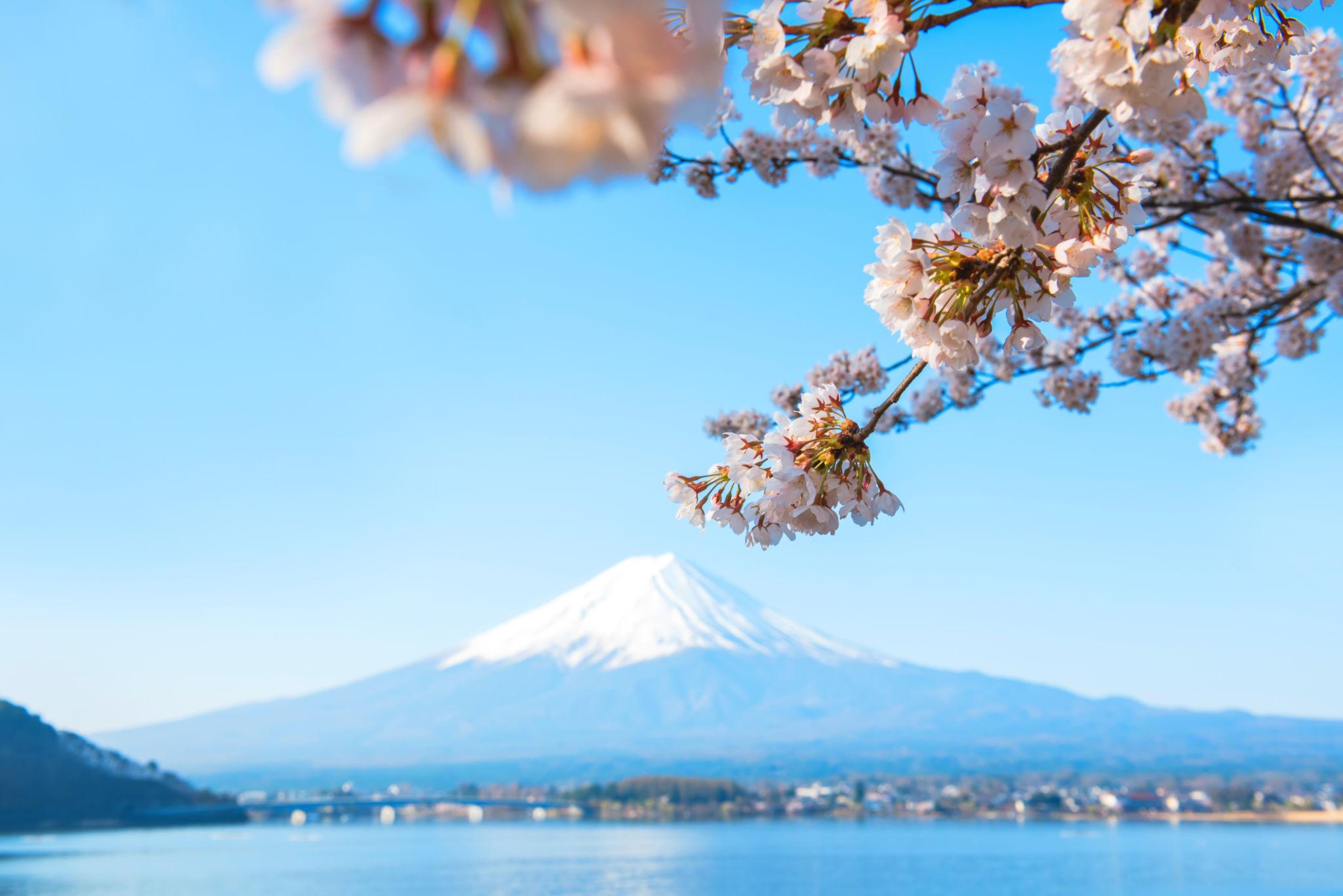
Japan is one of the world’s most fascinating travel destinations, known for its unique blend of ancient traditions and advanced modern technology. Located in East Asia, Japan consists of thousands of islands, with the four main islands being Honshu, Hokkaido, Kyushu, and Shikoku. The country attracts millions of visitors every year because of its clean cities, efficient transportation, beautiful natural landscapes, rich cultural heritage, and world-famous cuisine. From futuristic skyscrapers in Tokyo to peaceful bamboo forests in Kyoto, Japan offers experiences that appeal to every type of traveler. The country is also admired globally for its discipline, hospitality, safety, and respect for tradition, making it one of the most comfortable and organized destinations for international tourists.
Tokyo, the capital city of Japan, is often considered the heart of modern Japanese culture and technology. The city is famous for its crowded intersections, neon lights, luxury shopping districts, anime culture, and world-class dining experiences. Areas like Shibuya, Shinjuku, Ginza, and Akihabara each offer completely different experiences, ranging from fashion and nightlife to electronics and gaming culture. Despite being one of the busiest cities in the world, Tokyo remains exceptionally clean and efficient. Public transportation systems such as the Tokyo Metro and JR train lines operate with incredible punctuality, allowing residents and visitors to travel quickly across the city. Tokyo is also home to historical temples, traditional gardens, and cultural landmarks that remind visitors of Japan’s deep historical roots even within a highly modern environment.
Kyoto represents the traditional and cultural soul of Japan. Once the imperial capital, Kyoto is famous for its temples, shrines, traditional wooden machiya houses, tea ceremonies, geisha culture, and peaceful Zen gardens. Streets lined with historic architecture create an atmosphere that feels timeless and elegant. Visitors often explore districts such as Gion and Higashiyama to experience traditional Japanese culture more closely. During spring, cherry blossom trees transform Kyoto into one of the most beautiful destinations in the world, while autumn brings vibrant red and orange maple leaves that attract photographers and nature lovers. Kyoto’s calm atmosphere offers a strong contrast to Tokyo’s fast-paced urban lifestyle, allowing travelers to experience a different side of Japanese society and history.
Osaka is another major city that is widely recognized for its energetic nightlife, friendly people, and incredible food culture. Often referred to as Japan’s kitchen, Osaka is famous for street foods such as takoyaki, okonomiyaki, kushikatsu, and ramen. Areas like Dotonbori are filled with bright signboards, entertainment venues, restaurants, and shopping centers that remain lively late into the night. Compared to Tokyo, Osaka is often seen as more relaxed and humorous in personality, with locals known for being open and conversational. The city also serves as an important business and transportation hub, connecting travelers to nearby regions such as Nara, Kobe, and Kyoto through high-speed rail systems and regional trains.
Japan is internationally respected for its transportation infrastructure, especially the Shinkansen bullet train system. These high-speed trains connect major cities across the country with remarkable efficiency, comfort, and punctuality. Travelers can move from Tokyo to Osaka or Kyoto within just a few hours while enjoying smooth rides and scenic countryside views. Railway stations in Japan are highly organized, and train delays are extremely rare. Public transportation etiquette is also an important aspect of Japanese culture, with passengers expected to maintain quiet behavior, stand in orderly lines, and respect shared spaces. This discipline contributes significantly to the smooth functioning of daily life throughout the country.
Japanese cuisine is one of the most celebrated food cultures in the world. Traditional dishes such as sushi, sashimi, ramen, tempura, udon, soba, yakitori, and kaiseki meals showcase the country’s dedication to freshness, balance, and presentation. Food preparation in Japan often reflects seasonal ingredients and regional specialties, meaning travelers can experience unique dishes depending on where they visit. Japanese convenience stores are also famous for their surprisingly high-quality meals, snacks, desserts, and beverages. Dining etiquette is important in Japanese society, including practices such as saying “Itadakimasu” before eating and avoiding wasting food. Restaurants often emphasize simplicity, precision, and hospitality, creating memorable dining experiences even in small local establishments.
Japanese culture strongly values politeness, respect, cleanliness, and social harmony. Bowing is a common greeting method, and people are generally considerate of public spaces and community rules. Removing shoes before entering homes, temples, and some traditional restaurants is an important custom that visitors should respect. Seasonal festivals, known as matsuri, are celebrated throughout the year and include traditional music, dance performances, food stalls, and colorful decorations. Festivals such as Gion Matsuri in Kyoto and Nebuta Matsuri in Aomori attract large numbers of domestic and international tourists who wish to experience Japanese traditions firsthand.
Nature plays a central role in Japanese culture and daily life. The country is home to mountains, forests, lakes, hot springs, beaches, and national parks that offer diverse travel experiences throughout the year. Mount Fuji is Japan’s most iconic natural landmark and attracts hikers, photographers, and spiritual visitors from around the world. During winter, regions such as Hokkaido become popular destinations for skiing and snowboarding due to heavy snowfall and high-quality ski resorts. Hot spring towns, known as onsen resorts, provide relaxing experiences where travelers can enjoy traditional baths surrounded by scenic landscapes. Japanese appreciation for seasonal beauty is reflected in activities such as cherry blossom viewing during spring and autumn leaf viewing during fall.
Technology and innovation are deeply connected to modern Japanese identity. Japan is globally recognized for advancements in robotics, electronics, automobiles, gaming, and animation industries. Cities like Tokyo and Osaka showcase futuristic architecture, digital advertising screens, advanced vending machines, and automated services that impress international visitors. Anime and manga culture have also become major global influences, attracting fans to districts such as Akihabara in Tokyo where themed cafes, gaming centers, and merchandise stores dominate the streets. At the same time, Japan maintains strong respect for traditional arts such as calligraphy, pottery, kimono making, tea ceremonies, and classical theater performances.
Accommodation options in Japan range from luxury hotels and modern apartments to capsule hotels, ryokan inns, and traditional machiya townhouses. Ryokan stays are particularly popular among travelers seeking authentic cultural experiences, as they often include tatami rooms, futon bedding, traditional meals, and onsen baths. Capsule hotels provide affordable and compact sleeping spaces mainly designed for solo travelers and business workers. Japan’s hospitality industry is known for exceptional cleanliness, efficiency, and customer service, ensuring comfortable experiences for guests across different budget levels.
Shopping in Japan offers a mix of luxury brands, traditional crafts, electronics, fashion, and pop culture merchandise. Districts like Ginza feature luxury shopping centers while Harajuku is famous for youth fashion and street culture. Traditional markets and souvenir shops sell handmade ceramics, Japanese sweets, matcha products, fans, kimono fabrics, and regional specialties. Tax-free shopping options are widely available for tourists in major retail stores, making Japan an attractive destination for international shoppers.
Safety is one of Japan’s strongest advantages as a travel destination. Crime rates remain relatively low, public transportation is reliable, and cities are generally clean and organized. Visitors often feel comfortable traveling alone, including women and solo travelers exploring urban and rural regions. Emergency systems, signage, and transportation guidance are also designed to support international tourists, especially in major cities and popular travel destinations.
Japan’s blend of tradition and innovation creates a unique atmosphere unlike anywhere else in the world. Ancient temples stand beside futuristic skyscrapers, traditional tea ceremonies coexist with robotic technology, and centuries-old customs remain important within highly modern urban societies. Whether travelers are interested in culture, food, history, technology, nature, shopping, or entertainment, Japan offers endless opportunities for exploration and discovery. Every season brings new festivals, landscapes, and experiences, ensuring that each visit feels different and memorable. For many travelers, visiting Japan becomes more than a vacation; it becomes a deeper cultural journey that leaves lasting impressions through its beauty, discipline, hospitality, and timeless charm.
Related articles
 Guide
GuideEnglish-Speaking Real Estate Agents in Japan: How to Check One Before You Buy
English-Speaking Real Estate Agents in Japan: How to Check One Before You Buy As of 23 October 2026, the…
October 23, 2026
 Guide
GuideHakuba Property for Sale: Chalets, Condos and Lodges
The first decision when buying in Hakuba is what you are buying: a chalet for your own use, a condo, or a…
October 16, 2026
 Topics
SORA Partners with Cyber Bunny, a Tokyo-Based Content Creator
SORA Co., Ltd., the operator of realestatejapan.jp, has entered into a referral partnership with Cyber Bunny,…
October 15, 2026